Gaps in the Deep: How the Law of the Sea Fails the Undersea Kingdom
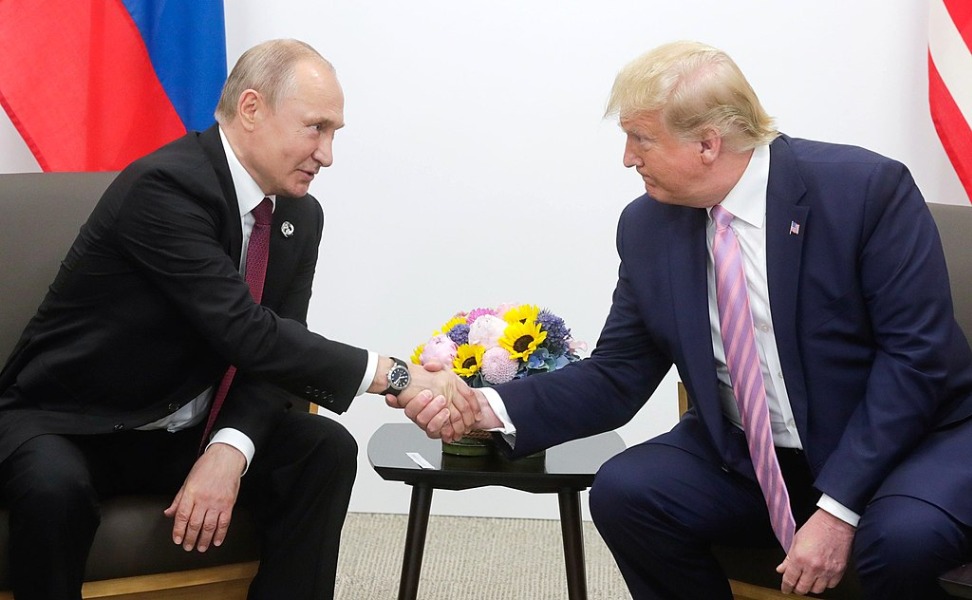
Dissecting Trump’s Deal for Russian Diesel
There is more smoke than fire to the deal—except when it comes to Ukraine.
Why Anthropic Is Asking for a Rehearing En Banc
America Didn’t Lose Its Rare Earth Industry. It Sold It.
The Russian Bots Went Silent. Or Did They?
Did Ukrainian strikes on Yandex silence Russian bots? The evidence doesn’t show it, and shrinking data access makes it harder to check.
Highlights
-
Russia's Digital Detox Boomerang
The latest edition of the Seriously Risky Business cybersecurity newsletter, now on Lawfare. -
Gaps in the Deep: How the Law of the Sea Fails the Undersea Kingdom
A review of Elisabeth Braw, “Undersea War: The Battle to Control the Cables and Pipelines That Connect Our World” (Public Affairs, 2026). -
Dissecting Trump’s Deal for Russian Diesel
There is more smoke than fire to the deal—except when it comes to Ukraine. -
Why Anthropic Is Asking for a Rehearing En Banc
The D.C. Circuit relied on a dictionary for key parts of its ruling against Anthropic. Congress’s own words tell a different story about the threats the law was designed to address. -
America Didn’t Lose Its Rare Earth Industry. It Sold It.
Markets price for cost. China prices for control. The risk of a rare earths cutoff is asymmetric, and the financing to rebuild American supply should be too. -
The Russian Bots Went Silent. Or Did They?
Did Ukrainian strikes on Yandex silence Russian bots? The evidence doesn’t show it, and shrinking data access makes it harder to check. -
The Mercenary Exception That Never Existed
Why Brazil’s Superior Court of Justice ruling in Operation Trapiche matters beyond one terrorism case. -
The Many Open Questions About the Trump Administration’s New De Facto AI Model Licensing System
The Trump administration’s AI framework not yet been publicly released. This has left many open questions, including about which models it covers, who has access to the framework, and whether it preclude... -
What Washington Got Wrong About the Houthis—and What It Must Do Now
The Yemeni insurgent group is more than just an Iranian proxy. -
The Week That Was
Your weekly summary of everything on the site. -
Dispatch: In ‘Fake News’ Ban Hearing, Trump Is His Own DOJ’s Worst Enemy
The government argues CNN v. Trump is about national security. The president says it's about “bad stories.” -
Why the U.S. Military Has Never Threatened Civilian Governance
A review of “The State and the Soldier: A History of Civil-Military Relations in the United States” (Polity, 2025). -
The Cyber Corps: Ukraine’s Least Understood Cyber Actor
From overlapping operations to the IT Army’s internal split, new clues shed light on the Cyber Corps’ ties to the GUR. -
The AI Model Distillation Paradox
When U.S. labs train models on the world’s writing, Washington calls it fair use. When Chinese labs train on U.S. outputs, it’s a “malicious attack.” It can’t have it both ways. -
A Case Study in Pivoting: Investigating Hacked and Leaked Data on a Budget
AI may help, but nonprofits still face an uphill battle in allocating resources for extensive investigations into human rights abuses.
Featured Podcast
Live Coverage
For real-time updates of Lawfare’s coverage of the Trump administration’s legal challenges, follow on Bluesky or below:
What's Old Is New Again
With every new administration comes new promises and new actions on national security. But what’s “new” has often been proposed or even tried before—which means there’s a good chance Lawfare has already analyzed some of the legal and policy implications they present. So we’re making that past content readily accessible as it becomes newly relevant.
-
The Trump Admin’s Embrace of Ideological Exclusion and Deportation
The targets, rhetoric, and legal justifications of ideological exclusion and deportation may change over time, but the motivation—suppressing dissent—remains the same. -
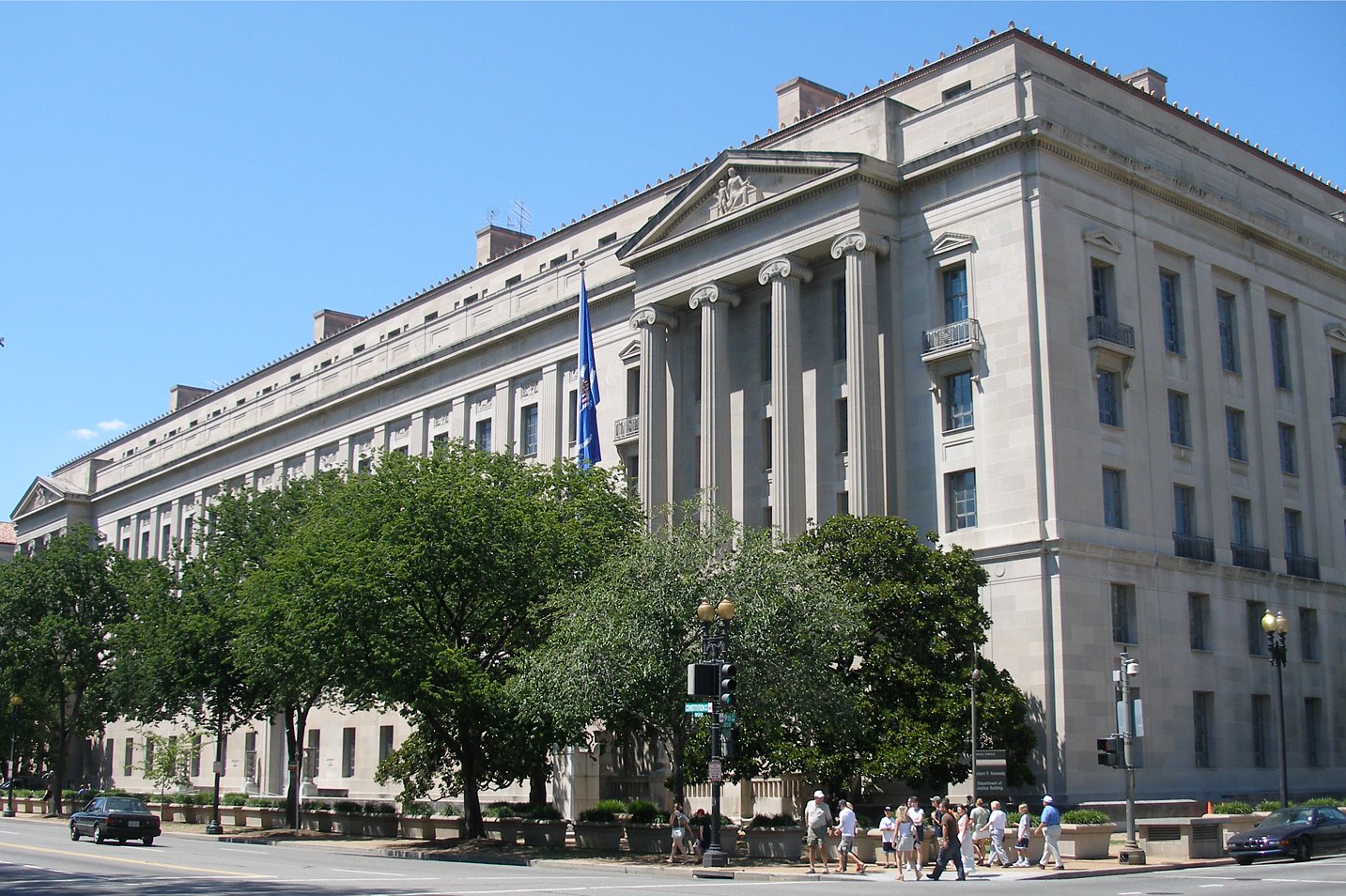
What to Make of the Justice Department’s Denaturalization Initiative
The policy will terrify some naturalized citizens without cause and may dissuade others from naturalizing or coming to the United States in the first place. -
National Security AI and the Hurdles to International Regulation
Small-group cooperation and unilateral efforts to develop settled expectations around the use of national security AI are far more likely than an international regime analogous to nuclear arms control.
Documents
-
White House Releases Executive Order Declaring a National Emergency Regarding the Electrical Grid
-
White House Releases National Security Science & Technology Strategy
-
Justice Department Releases Opinion on Military Arrests Near Borders
-
White House Releases Executive Orders on Quantum Computing
-
White House Releases Executive Order on AI
-
Former Cuban President Raúl Castro Indicted
-
Trump Administration Releases 2026 Counterterrorism Strategy
-
Southern Poverty Law Center Indicted on Federal Fraud Charges
-
Lawfare Daily: The New Command Economy with Kristen Eichensehr and Ashley Deeks
Discussing the U.S. government's increasingly activist role in the economy. -
Lawfare Daily: Breaking Down Trump’s Diesel Deal with Russia
Rachel Alpert and Peter Harrell discuss Trump lifting sanctions on Russian diesel fuel. -
Lawfare Daily: The Spy Who Changed the Cold War in the Middle East
How did a Cold War intelligence coup change the Middle East?
Other Lawfare Podcasts 
Other Podcasts 
Videos & Webinars
Lawfare Live: The Trials of the Trump Administration, Oct 16
Explore
The Lawfare Institute:
Hard National Security Choices
Lawfare is a non-profit multimedia publication dedicated to “Hard National Security Choices.” We provide non-partisan, timely analysis of thorny legal and policy issues through our written, audio, and other content—all of which you can find here.