-
Recent statements show how the court will review the Trump administration’s actions—at least until the Supreme Court says otherwise.
-
There are few remaining obstacles to the U.S. military using offensive cyber operations at home against the president’s domestic “enemies.”
-
The latest edition of the
Seriously Risky Business cybersecurity newsletter, now on Lawfare.
-
Anna Bower dives into who the administrator of DOGE is and why it matters.
-
On the law that Trump is using to keep foreign students out of Harvard.
-
Breaking down the legal issues surrounding the White House’s terminations and temporary replacements at the Library of Congress
-
The administration says restrictions are necessary because the government “lacks the sufficient information to assess the risks they pose to the United States.”
-
The memo asserts that former White House aides “abused the power of Presidential signatures” to conceal Biden’s cognitive decline.
-
The order purports to restrict the entry of foreign nationals who plan to attend Harvard University.
-
Sanctions relief is as powerful a diplomatic tool as sanctions imposition.
-
Discussing Ukraine's drone strikes on Russian warplanes.
-
-
The Pall Mall Process Code of Practice paves the way for strong action against cyber intrusion, but it still has a long way to go.
-
Scott Anderson, Anastasiia Lapatina, Eric Ciaramella, and Alex Zerden talked through the week’s big national security news.
-
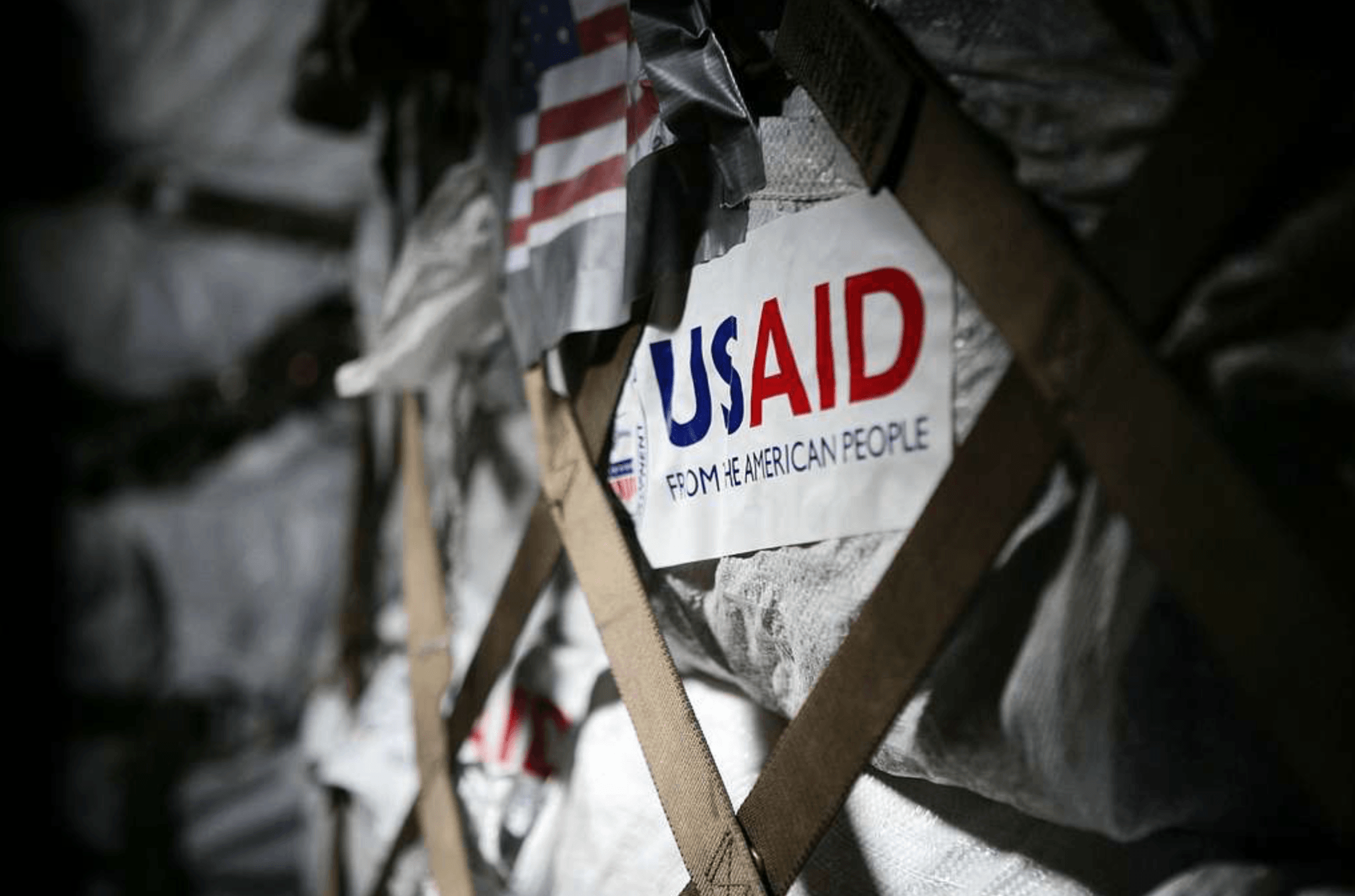
The administration claims it is prioritizing efforts to combat the organization, but funding cuts threaten to undermine vital operations.
-
Join the Lawfare team at 4 pm ET for a discussion of the litigation targeting actions from President Trump.
-
What is the connection between technology and democratic backsliding?
-
Following Ronen Bar’s resignation and an HCJ judgment, Netanyahu has rushed to propose a new Shin Bet head, inviting legal challenges.
-
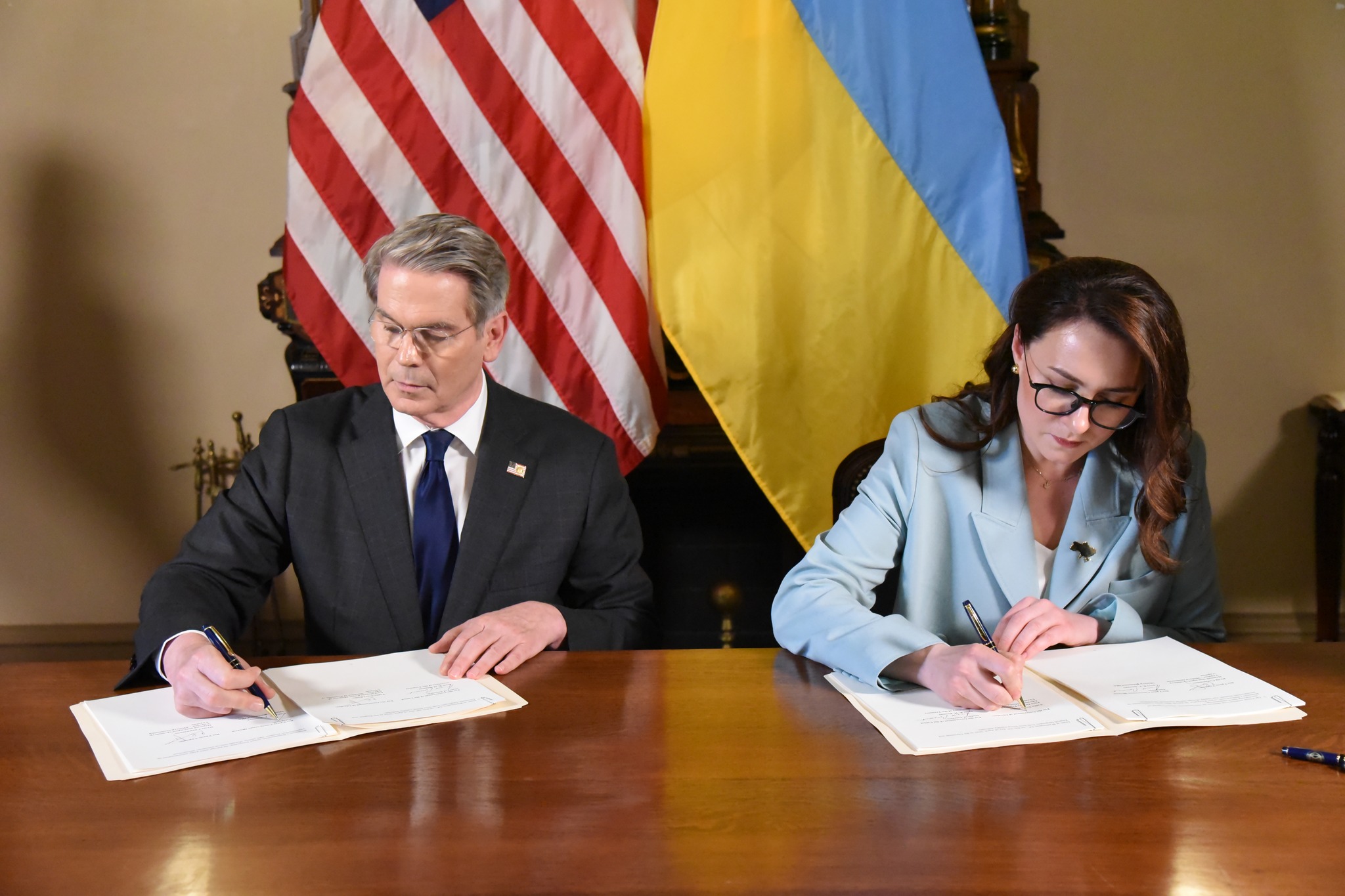
The agreement incentivizes the U.S. to support Ukraine’s defense, while Ukraine risks earning little revenue from the partnership.
-
While the act attempts to address AI harms, its regulatory misalignment serves as a cautionary tale, urging a more centralized approach.



.png?sfvrsn=db9c6806_5)






.jpg?sfvrsn=e1000919_5)
